

sensual desire : ค้นหาหนังสือธรรมะ หน้า 3 / 3
หน้าหนังสือทั้งหมด
54
Understanding the Origin of Suffering in Buddhism
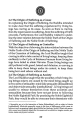
2.2 The Origin of Suffering as a Cause
In explaining the Origin of Suffering, the Buddha intended to make clear that the suffering experienced by living beings has craving as its cause. As soon as the
… how craving controls beings, preventing them from reaching Nirvana. The teachings elaborate on how sensual desires cause anxiety and suffering, suggesting that following the Noble Eightfold Path is essential for o…
82
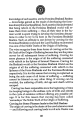
Understanding Craving in Buddhism
knowledge of such ascetics are the Formless Brahma Realms — knowledge gained as the result of developing the formless absorptions [arûpajhâna]. Such ascetics misunderstand that being reborn in the For
This text delves into the Buddhist concept of craving, specifically how its pursuit influences rebirth and suffering. It discusses the misinterpretation by ascetics aiming for the Formless Brahmā real
243
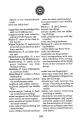
Buddhist Terminology and Concepts
…d delight: see characteristics of craving) nekkhamma saṅkappa (see intention to remove oneself from sensual desire)
This text delves into essential Buddhist terms and their meanings. It covers concepts such as Mara (the demon), Mettā (loving-kindness), and the significance of terms like 'maraṇa' (dying) and 'mutti'
29
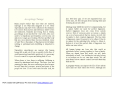
Accepting Change in Marriage and Happiness
Accepting Change
Many people realize that once they are married,
marriage is not what they imagined it to be. Their
expectations may have been influenced by idealistic
love stories from movies and tel
The text discusses the reality of marriage and love, contrasting idealistic expectations with the truth of change and impermanence. It highlights that true happiness must come from within rather than
61
Understanding Defilements and the Path to True Happiness
"• In conclusion, the sufferings of all beings are caused by succumbing to the influence of our accumulated defilements - from the past until this moment. We open our eyes (all of our senses are open)
In conclusion, suffering arises from our defilements, which influence our actions and desires. To achieve true happiness, we must eliminate these defilements through good actions, stopping poor habits
24
The Motives and Challenges of Ordination
Even when the individual knows about the benefits of ordination, it is no small task to give up family and worldly possessions for the sake of Dhamma. The individual must have a strong inner desire, l
The text discusses the difficulties faced by individuals when choosing ordination, which requires strong inner desire and familial support. It recounts the story of Lord Buddha's own decision to ordai
72
Understanding Nirvana and the Path to Enlightenment
Nirvana
Nirvana (Pali, Nibbanna) is the state of ultimate happiness -- the happy condition of enlightenment -- the highest spiritual attainment. This is not the sense-based happiness of everyday life;
Nirvana, or Nibbanna, represents the ultimate state of happiness in Buddhism, transcending the sense-based joys of daily life. Attaining Nirvana marks the end of the rebirth cycle, granting liberation
79
Understanding Suffering and the Noble Eightfold Path
2. Origin of suffering - Suffering arises from attachment to desire, craving
(tanha). People themselves create this suffering by trying to cling on to
worldly pleasures.
3. Cessation of suffering - Su
This text discusses the origin of suffering, which stems from attachment to desire and worldly pleasures. It highlights that suffering ceases when such attachments are released. The Noble Eightfold Pa
52
The Maiden's Dilemma: Choosing Duty Over Desire
When the people of Alavi heard that the Teacher had come, they went to the monastery and invited him to be their guest. That maiden also heard that he had come, and her heart was filled with joy at th
In Alavi, when the Teacher arrives, a maiden is filled with joy at the thought of seeing the mighty Gotama Buddha and hearing him preach the Dhamma. However, her father's request to complete a garment
163
Achieving Purity within the Family
Part Five: Truth for the Family
3. We can achieve a higher state of purity. If we seriously
concentrate on attracting goodness to us, we will
become happier individuals who will be powerful
magnets to
In this section, we focus on achieving a higher state of purity by concentrating on attracting goodness. By eliminating negative behaviors such as greed, we can end selfishness and embrace generosity.
3
Propagating Buddhism: A Journey Towards Genuine Peace
Preface
Buddhism had been expounded for over 2550 years in various regions throughout the world. Although the practices have been altered according to the climate, tradition, and culture of each area,
In December 2007, 350 Buddhist monks gathered for the 4th WBSY in Bangkok, focusing on unity in Buddhism. Despite cultural differences, they aimed to propagate peace and true happiness through meditat
21
The Inaugural Teaching of the Buddha
He agreed to teach the Dhamma, but remained undecided as to exactly who he should teach first. Eventually, the Bud- dha decided to make the journey to teach the ‘Group of Five’ [pañcavaggiya] who were
The Buddha decided to teach the Dhamma starting with the Group of Five at Isipatana Deer Park. His first sermon, the Dhammacakka pavattana Sutta, serves as a crucial teaching, symbolized by a royal ch
25
The Middle Way: A Path to Liberation
3. The Middle Way
The Middle Way [majjhima paṭipadā] is a path of practice that avoids the extremes of either sensual indulgence or self-mortification. It is a path of practice that is conducive to ta
The Middle Way [majjhima paṭipadā] serves as a balanced path in Buddhism, steering clear of both sensual pleasures and self-mortification. This approach is aimed at tempering the mind, achieving supre

30
The Middle Way: Balancing Sensual Indulgence and Self-Mortification
the harmfulness of the extremes of sensual indulgence and self-mortification, and advocated the following of the Middle Way or Noble Eightfold Path, the ‘group of five’, especially Keṇḍāṇa who was mos
This text discusses the risks associated with extreme sensual indulgence and self-mortification, underscoring the importance of following the Middle Way or Noble Eightfold Path. It highlights Keṇḍāṇa,
33
The Buddha's Teachings on Sensory Pleasures
6. Eating a poisonous fruit: The pleasures of the five senses can be compared to a poisonous fruit. The hedonist, in his greed eats the fruit and must endure the ensuing pain and upset as the poison t
The Buddha uses various metaphors to illustrate the dangers of indulgence in sensory pleasures. He likens them to poisonous fruits, sharp weapons, and children's toys, highlighting the inevitable suff
105
Rediscovery of the Dhammakāya Tradition
mentaries for most people to understand. The knowledge of Dhammakāya is said to have diminished and eventually for some unknown reason, disappeared from Buddhism approximately 500 years after the Pari
The Dhammakāya tradition, once diminished in Buddhism, was revitalized by Luang Phaw Wat Paknam who dedicated his life to its teachings. His outreach efforts led to the tradition being acknowledged in
134
The Importance of Meditation in Buddhism
Meditation is the focussing of the mind on a single object and abiding in a single mood without distraction or restlessness, or being caught up in external influences on mood. Meditation is thus of gr
Meditation is central to Buddhist practice, allowing individuals to focus the mind on a single object, leading to the cultivation of virtues and deeper levels of awareness. The attainment of the five
188
Understanding the Dhammacakka Pavattana Sutta
[vāddha-saṃsāra] on the levels of the Sensual Plane, the Form Plane and the Formless Plane so that we can enter upon Nirvana.
Thus in the inauguration of the Dhamma to the world, these two reasons are
The Dhammacakka pavattana Sutta marks the inaugural teaching of the Buddha, delivered at Isipatana Deer Park two months post-enlightenment. This Sutta introduces foundational concepts in Dhamma, empha
196
The Dangers of Sensual Pleasures and Self-Mortification
1.1 Kāmasukhallikāyunāga: indulgence in the various sensual pleasures is harmful in the following ways:
1.1.1 Hino: It makes the mind coarse and clouded;
1.1.2 Gammo: (this word literally means "house
In Buddhist teachings, indulgence in sensual pleasures is deemed harmful as it clouds the mind, encourages a household life, collects defilements, and is ultimately unprofitable. Similarly, self-morti
219
Understanding Suffering and Enlightenment in Buddhism
Angelic Body 107, 122; defilements by attaining Dhammakaya 111 of 135
bemoaning, as suffering 47, 58, 71,
anger 135, 136, 137 199; relationship to sorrow and lam-
animal kingdom, suffering of birth en
This text delves into key Buddhist teachings regarding suffering, attachment, and the process of attaining enlightenment. It analyzes various forms of suffering, including the suffering associated wit